Find out where the command to run is being lost
Coastal Palm Bay Well Pump Repair offers residential well pump controls and pressure switch repair in Palm Bay and nearby south Brevard communities. A conventional pressure switch responds to pressure and calls for the pump to operate. Other installations may use a relay, starting components, sensors, protection devices or a variable-speed controller. The first job is to identify the arrangement that is actually installed and follow how its command, electrical supply and pump response connect.
A pump that stays silent can have a supply fault, a damaged connection, a control that is not calling for water or a motor problem. A pump that never stops can have a different failure or be unable to meet its stop condition. We narrow those possibilities before replacing a box. The well-system explanation shows why the control chain must be considered with the pumping and pressure equipment.
A pressure switch responds to the pressure it senses
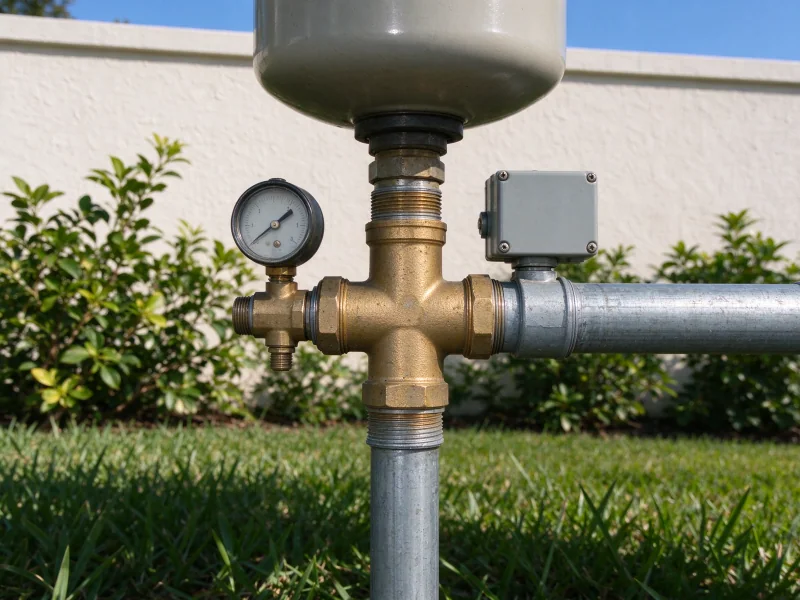
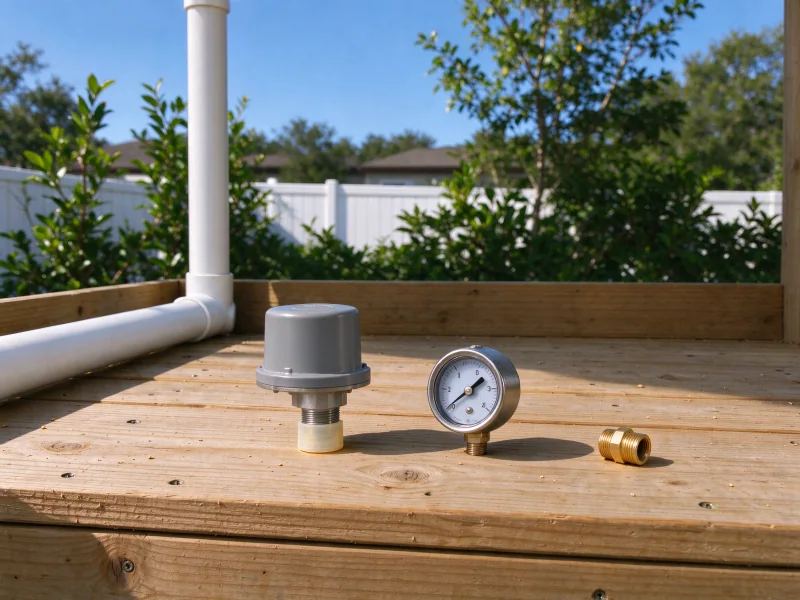
In a conventional system, the pressure switch is intended to start and stop the pump within the selected operating conditions. It needs a suitable connection to sense system pressure, compatible electrical ratings and settings appropriate to the equipment. A blocked sensing connection or a fault in the switch can affect that response. The visible presence of a switch does not establish that it is receiving accurate pressure information or making the correct electrical connection.
If a gauge reading and pump behavior seem inconsistent, we compare the relevant observations rather than assume one instrument tells the whole story. Our pressure-switch settings guide explains the function. It is not an invitation to adjust a live switch. Removing the cover exposes an electrical area that should be handled by the contractor responsible for diagnosis and repair.
Not every pump uses the same external control box
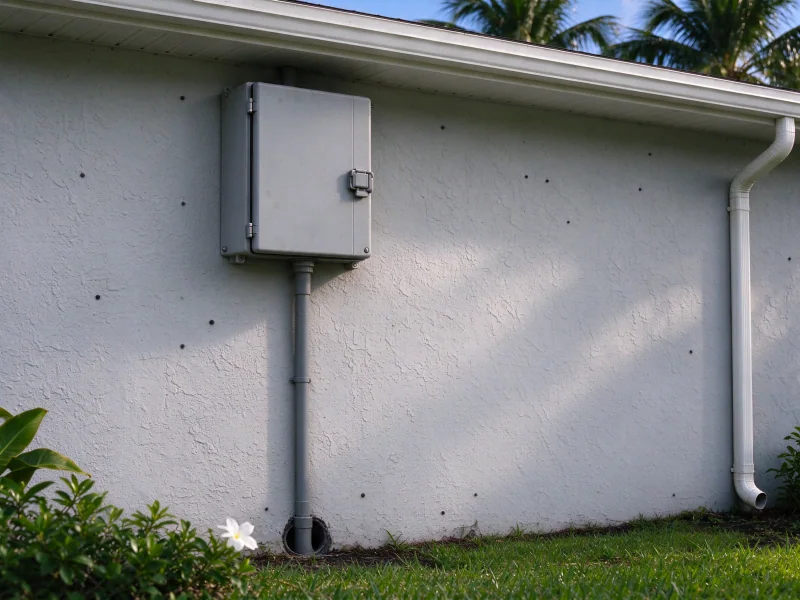
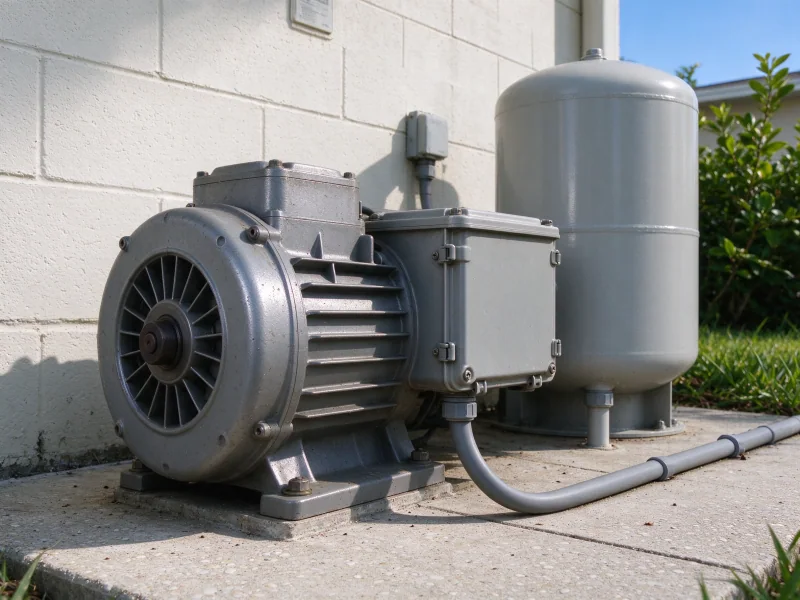
Some motor arrangements use external starting and running components; others place relevant components differently or operate with another control strategy. A box that looks similar can have a different motor rating, component specification or wiring arrangement. Replacing it by appearance can leave the original problem unresolved or introduce an unsuitable part. The pump and motor identification, supply and existing configuration all matter.
On a submersible system, a control fault at the surface can resemble a failure below ground. That is one reason accessible tests can be valuable before retrieval is proposed. A damaged cable or motor can also produce an abnormal response in otherwise appropriate controls. We assess the connected equipment rather than describe every no-start condition as a failed capacitor or every repeated trip as a failed switch.
Humming and breaker trips change the next step
A motor that hums without starting needs its electrical supply, starting arrangement and mechanical condition distinguished. Repeatedly attempting to start it does not establish which part has failed. A breaker or protective device that trips is reporting an abnormal condition requiring diagnosis. The safe response is to report the behavior and avoid repeatedly forcing the circuit back on, particularly where equipment is hot, wet or damaged.
The humming-pump guide explains those possible branches. The breaker-tripping guide addresses the separate protection question. Do not bridge switch contacts, bypass a protection device or replace a breaker with a different rating to keep a pump running. A control repair should correct the identified fault while retaining the protections appropriate to the equipment.
A pump that keeps running may be following its switch correctly
If pressure cannot rise to the intended stop point, the pump may continue operating even though the switch itself is doing what it is set to do. A leak, worn pumping components, source limitations or an unsuitable operating target can be involved. Replacing the switch without establishing whether the system can achieve its required pressure may leave the pump running just as before.
Our constant-running guide follows those mechanisms. Low-pressure diagnosis also needs to separate a restriction, inadequate delivery and excessive demand. Raising the stop setting does not create missing pump capacity. The equipment’s performance and the pressure system need to agree, and the recommendation should explain any proposed change rather than treat adjustment as a universal remedy.
Check the pressure tank before blaming rapid switch operation
A switch that opens and closes rapidly may be responding to pressure changes caused elsewhere. When a tank loses usable drawdown, a small amount of water use can make pressure fall quickly and the pump start again. A leak or an unsuitable control arrangement can change cycling too. Those possibilities need to be distinguished from a switch that cannot perform its own function correctly.
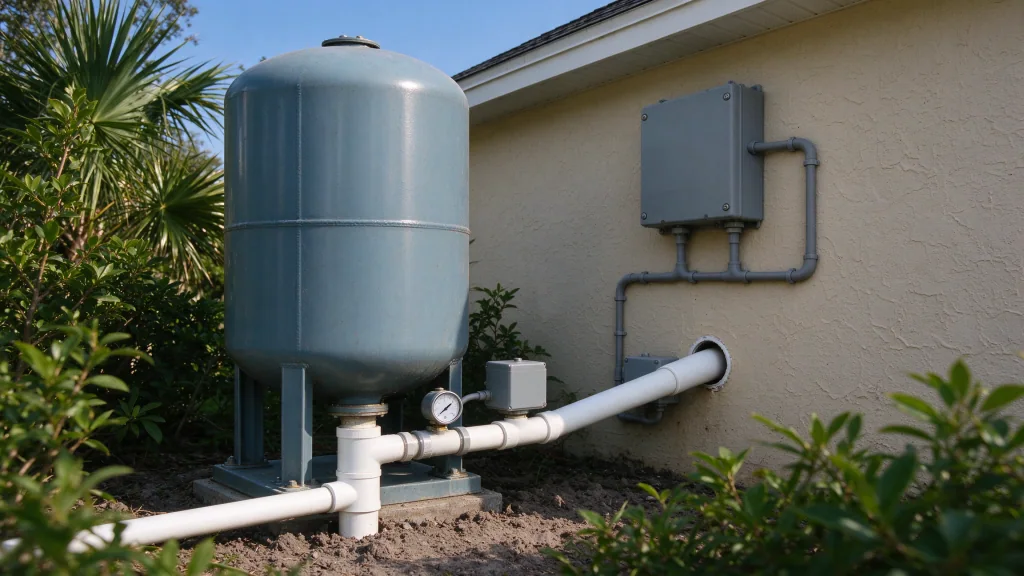
For pressure tank replacement, tank condition and storage are assessed with the pump and selected operating conditions. The short-cycling guide explains the pattern in more depth. We do not assume that new electrical controls will repair a failed vessel or that a new tank will correct damaged contacts. Each changed component should have a finding that supports it.
Match the controls to the job the pump does
An irrigation pump may receive an operating command through the irrigation system rather than the same pressure-switch arrangement used by a household tank system. A variable-speed installation may use sensors and a controller to manage motor operation differently. Those are distinct control strategies. Their components cannot be assumed interchangeable simply because they all cause water to move.
Tell us whether the pump serves the house, the lawn or separate uses before the assessment is planned. Irrigation well pump repair focuses on the source and pumping equipment, while downstream zone issues remain a separate scope. Where variable-speed equipment is present, the pump, motor, sensing arrangement and protection settings need to be compatible. A change in control strategy should solve a defined need rather than add complexity without a reason.
What a control repair should include
The assessment identifies the operating arrangement, the symptom and the relevant supply and pressure response. Appropriate tests help isolate the failure and establish whether connected equipment is contributing. A focused repair can then name the compatible switch, relay, connection or component being changed, along with any separate work needed to make the system suitable. Electrical responsibilities need to be clear where the task crosses different parts of the installation.
The price of a small component is not the entire service price. Access, diagnosis, compatible parts and required checks all affect the work. Our cost guide distinguishes accessible control repairs from a pump pull or broader replacement. If a confirmed pump fault leads to well pump replacement, that should be explained as a separate decision rather than hidden inside a control-box recommendation.
Confirm that the repair changes the original behavior
After the agreed work, the system needs to be assessed through the behavior that brought you to us. A corrected no-start fault should be considered with delivery and pressure response. A cycling complaint needs the pump and pressure system observed together. A controller that powers on is not proof that the pump is moving the required water, and a motor that runs is not proof that it will stop under the intended conditions.
We manage work through appropriately licensed and insured contractors for the relevant scope. When you request an estimate, describe the sequence you noticed: whether the pump clicks, hums, starts briefly or never stops, and whether the problem followed an outage. Leave covers closed and avoid repeatedly operating damaged equipment. Our power-outage guide explains useful observations without asking you to perform energized electrical checks.