A dry-looking connection can still admit air
Coastal Palm Bay Well Pump Repair offers suction leak diagnosis and repair for existing residential well pump systems in Palm Bay. This service is particularly relevant to aboveground jet pumps and other arrangements that draw water through a suction path. A small leak on that side may pull air inward while the pump runs. The owner may see no spraying water and assume every connection is sound.
Common complaints include recurring loss of prime, sputtering delivery or a pump that runs without establishing normal pressure. Those symptoms can have other causes too. We assess the equipment arrangement and water-level conditions before calling the fault a leaking fitting. Our jet pump service explains where this investigation fits within the broader repair decision.
Identify which side of the pump is being assessed
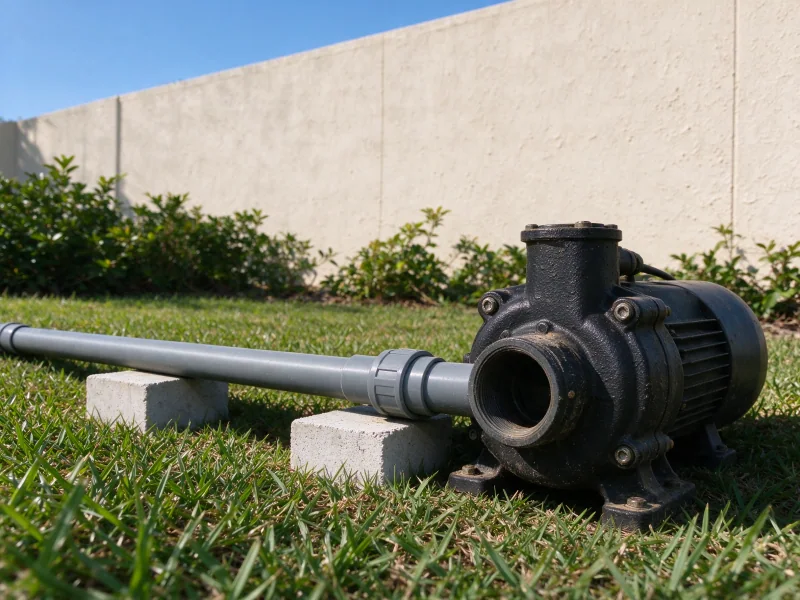
The suction side leads toward the pump inlet from the water source. The discharge side carries water away under the pressure the pump creates. A visible pressure-side leak is not the same condition as air entering a suction joint. Both can reduce useful delivery, but the test approach and repair location may differ. Identifying the correct path is part of establishing what the system actually does.
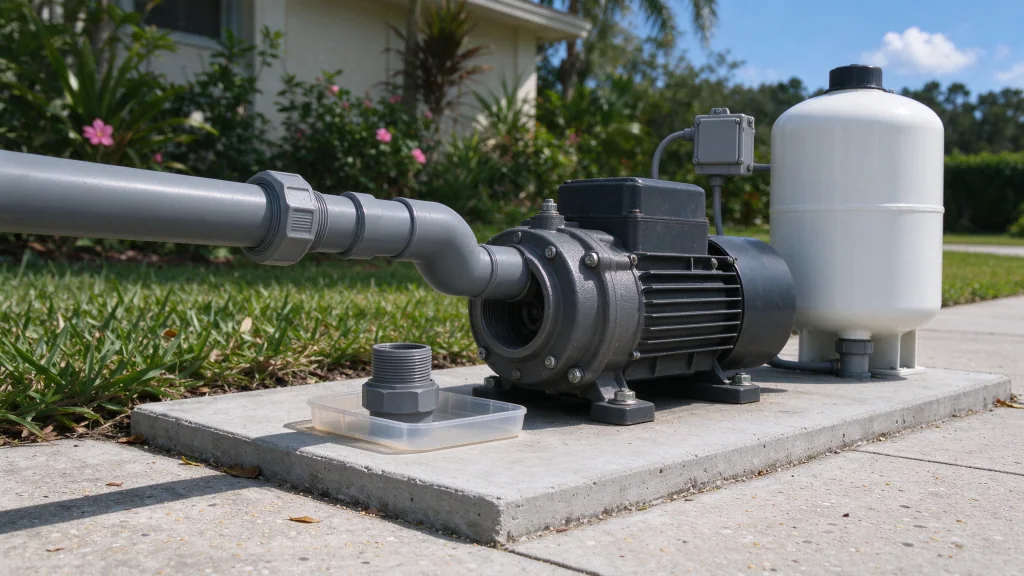
Piping configuration matters. A shallow-well jet arrangement and a deeper two-pipe jet system do not have identical operating conditions. Pipe diameter, lift and the jet arrangement affect performance. Our jet-versus-submersible guide helps identify the main equipment types. A submerged pump does not use the same aboveground suction arrangement simply because its connected pipes rise toward the house.
Loss of prime after shutdown needs a holding question
A system may run acceptably once it establishes water, then fail again after standing. Depending on the arrangement, a valve that no longer holds or a connection that allows drain-back can leave the pump unable to restart normally. That pattern is different from performance fading only while a long watering cycle is in progress. The timing should guide the investigation rather than disappear from the service conversation.
Tell us how long the equipment sits before the problem returns and whether it needs repeated attempts to deliver water. The loss-of-prime guide explains why adding priming water is not the same as repairing the underlying condition. A holding test must account for the installed valves and piping; a symptom alone cannot establish which hidden component is leaking.
Look for the actual weak point instead of resealing everything blindly
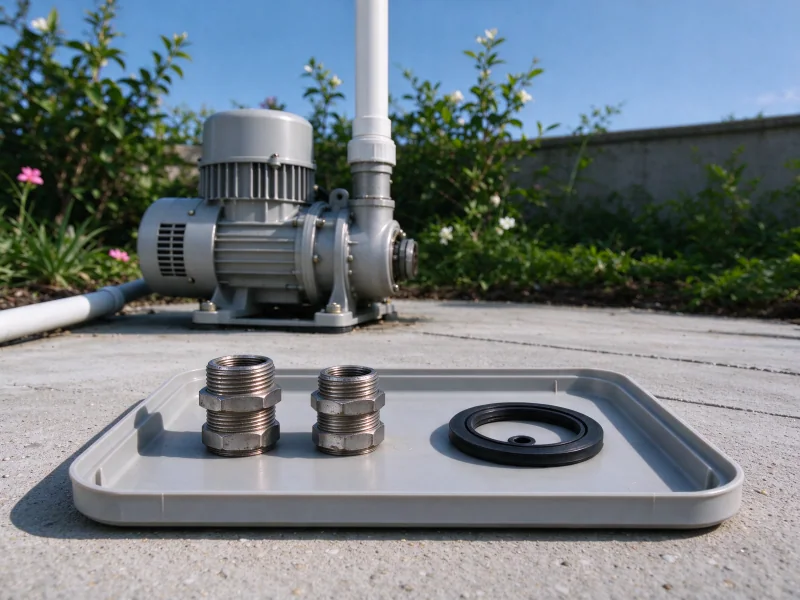
Suction-side problems can involve threaded joints, unions, flexible sections or a damaged length of pipe. The repair needs to address the condition found, using components suitable for the system and the connection being made. Stress from poorly supported piping can matter as much as the seal at a joint. Tightening a fitting without considering alignment can leave another weakness unresolved.
We define the repair location before proposing a broad replacement. Accessible surface connections may be assessed differently from a pipe run or valve below ground. Where access changes the work, it belongs in the scope. An operational well system inspection can help establish the layout when earlier modifications make the piping difficult to follow. Hidden construction should not be guessed from the appearance of the exposed pump.
Low water availability can resemble an air leak
A suction pump operates within the limits of its design and the water level it must work against. If operating water level changes, a previously marginal arrangement can lose useful delivery. Air or irregular flow may therefore need a source-level investigation rather than another round of sealant at the pump. The St. Johns River Water Management District describes groundwater-level fluctuations in Brevard, but no regional description establishes your well's actual conditions.
The pump-versus-low-yield guide separates equipment faults from source behavior. Performance that fades during sustained use deserves different questions from a pump that drains back overnight. Where necessary, testing considers drawdown and recovery. A larger motor cannot remove an unsuitable suction lift or create additional groundwater supply.
Do not mistake every pressure change for suction trouble
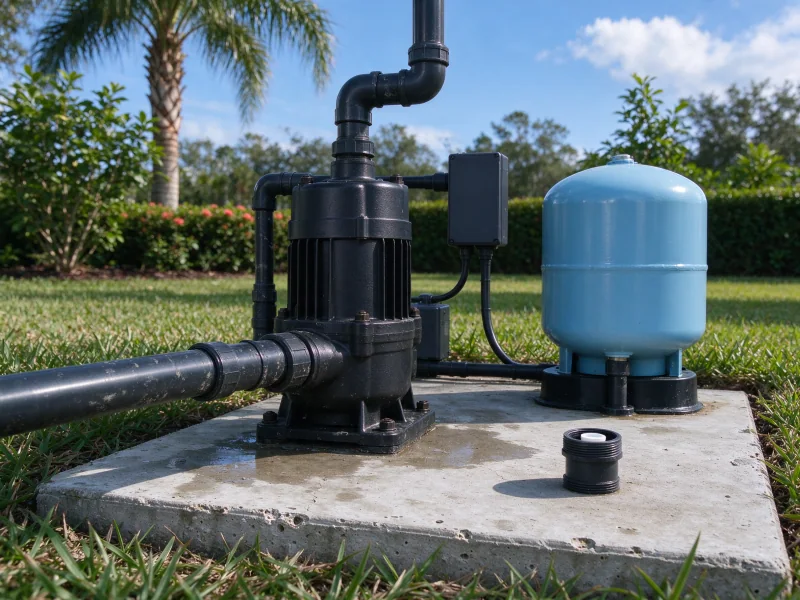
Air at a faucet and rapid pump cycling are related to different parts of the assessment. A pressure tank intentionally contains an air cushion, usually separated from water by a bladder or diaphragm in that design. Losing usable drawdown can make the pump start too frequently without proving that a suction joint is leaking. Controls and downstream leakage can also affect the pressure pattern.
Our tank replacement service and controls service address those other branches. The air-in-water guide explains why the location and timing of sputtering matter. We keep the findings connected to the proposed repair instead of using an air-related symptom to justify unrelated equipment changes.
What a suction repair scope should include
The scope should identify the suspected or confirmed path of air entry or drain-back, the parts to be repaired and how the result will be checked. If a pressure or holding test points beyond accessible equipment, further access needs its own explanation and authorization. Replacing a visible fitting does not prove that every buried connection is sound.
For an accessible repair, the work may include isolation, removal of the damaged connection and installation with appropriate support and alignment. The actual method depends on the materials and arrangement present. A pump replacement is a separate decision if testing also identifies a pump fault. The estimate should say whether the existing motor and pumping assembly remain in service.
Check restart behavior as well as the first successful flow
Water returning immediately after work is useful, but recurring loss of prime can require observation through a stop-and-restart cycle. The relevant checks depend on the original symptom and the arrangement tested. We look for evidence that the repair corrected the problem it was intended to address, while identifying any remaining condition that needs a separate scope.
For example, a successful restart does not show that the well can sustain every possible demand. Likewise, a sound suction connection does not repair a downstream restriction. The pressure-and-flow explanation makes those limits clearer. Describe the use that exposed the fault so completion checks can be compared with the actual complaint rather than with a brief, unloaded run.
Access and confirmed scope determine the expense
The work can differ greatly between an accessible joint and a buried or well-side component. Materials, isolation requirements and the condition of the surrounding pipe also affect the estimate. We do not publish one universal suction-leak price for systems that need different repairs. The well pump cost guide explains the distinctions between limited component work and broader equipment replacement.
If the findings involve structural well components, the job needs the appropriate separate classification. Florida's pump-equipment definitions do not settle every plumbing, electrical or well-construction requirement. Consult our permit guide for that distinction. Standard suction repair does not automatically include rehabilitation, drilling or changing the well's construction.
Tell us when prime is lost and what changed
A useful request says whether the pump loses water after standing, during use or immediately after startup. Mention visible changes in piping, a recent repair and any new sound. Existing model labels and photographs of accessible equipment can help establish which arrangement is present. You do not need to open the pump, reach into the casing or remove electrical covers to provide that information.
If the pump is hot and running without useful water, avoid repeated attempts to force it into service. Leave electrical checks and component removal to the contractor. We manage the agreed work through appropriately licensed and insured contractors. Request an assessment with the symptoms you know, including whether the system serves household water or irrigation.