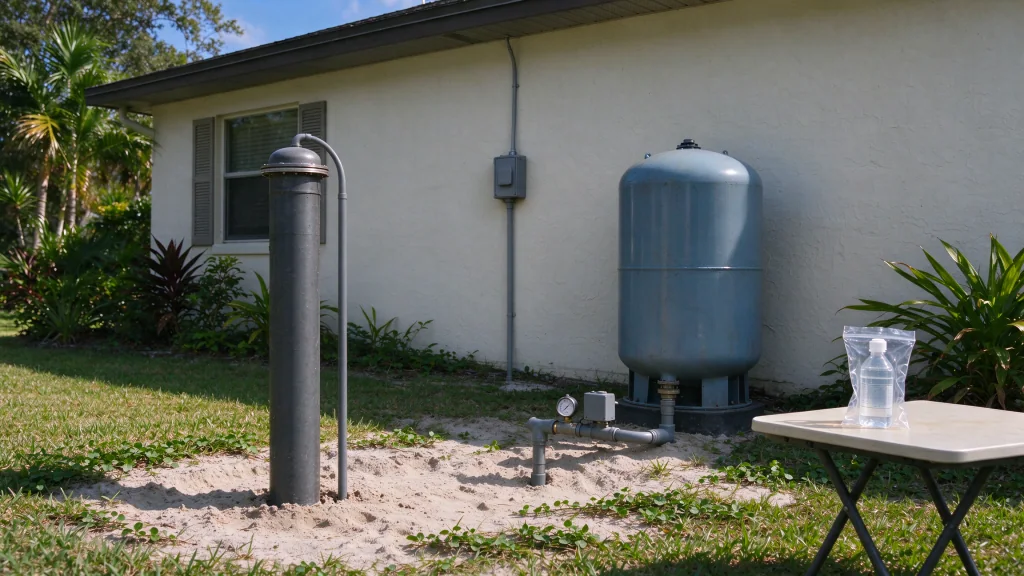
Start with the decision the inspection needs to support
Coastal Palm Bay Well Pump Repair offers residential well system inspection for owners who need a clearer picture of existing equipment. You may be buying a home, planning repairs or trying to understand a system with little service history. The purpose should be defined before the visit. A visible equipment review, a detailed investigation of intermittent water loss and a laboratory water sample answer different questions.
We focus on how the installed pump, pressure equipment and accessible connections operate together. If the home currently has no water from the well, tell us when requesting service so the assessment can address an active fault. A general condition review should not be confused with a promise that concealed components have been inspected or that the well will supply every future demand.
Identify the system and compare available records
Useful records include pump information, tank labels, previous invoices and any available well construction documents. Florida well completion records can help explain construction details, but a completion report is different from a final inspection. Missing paperwork does not justify guessing the depth, casing condition or pump setting. The equipment in place may also differ from the original installation.
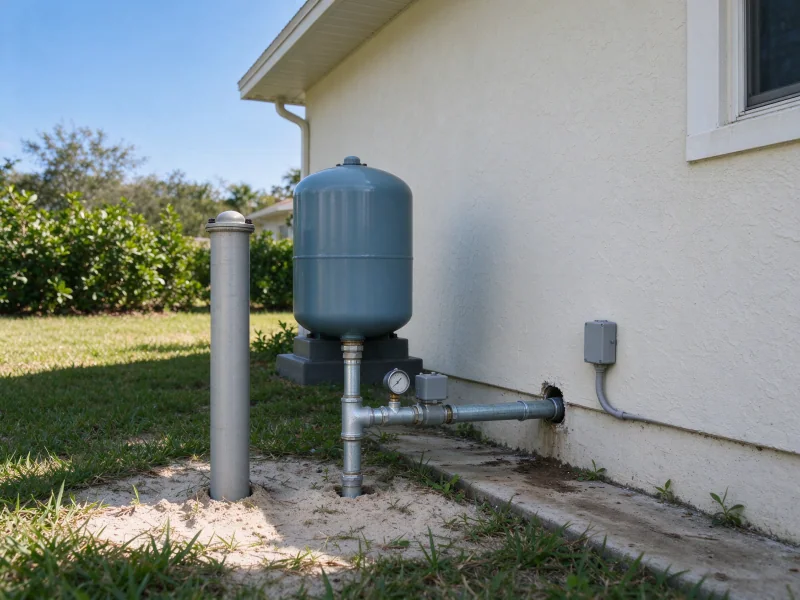
We establish whether the system uses a surface jet pump or a submersible pump, what it serves and where accessible controls are located. Our guide to how well pump systems work explains the roles of those components. If records show a pitless adapter or another concealed connection, that information helps define limits; a component listed on paper has not automatically been physically inspected.
A pitless adapter carries the water connection through the casing below ground. Its location makes it different from an exposed fitting beside the tank. Available records can identify that arrangement, while confirming a concealed defect requires an appropriately defined investigation.
Look at accessible wellhead protection without overstating visibility
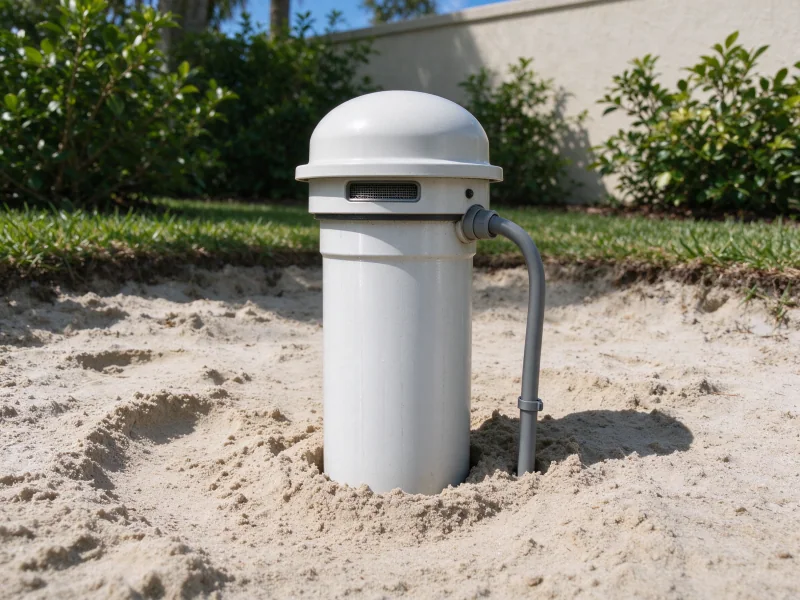
The visible casing and cap deserve attention because their condition helps protect the well opening. An accessible broken cover, exposed opening or damaged aboveground connection is different from an internal pump fault. Site conditions around the well may also deserve further attention if runoff can collect against it. These observations can support a recommendation for a more specific sanitary assessment. After a storm, the well after flooding guide explains why a wellhead that was under water needs disinfection and testing before the water is used.
A surface inspection cannot establish the condition of every buried seal, grout interval or well screen. Opening or altering the well is additional work with its own scope and sanitary precautions. Our Florida well pump permit guide separates equipment work from construction issues. A pump inspection does not certify the whole property, approve a septic system or replace the responsible authority's requirements.
Observe operation under a stated water demand
A system can hold pressure with every tap closed and still deliver poorly during use. An operating assessment should explain the demand applied, where pressure was observed and how the pump responded. A plausible gauge reading, startup behavior and delivered water make more sense together than one isolated number. If the complaint happens only during sustained use, a brief startup observation may not reproduce it.
We consider whether the loss appears at the pump equipment or farther downstream. Restricted piping and treatment equipment can affect house delivery even when the pump is working. The pressure-versus-flow guide explains why those measurements are distinct. A recommendation for low-pressure diagnosis may follow when a general inspection identifies a problem needing further investigation.
Assess storage and controls as separate jobs
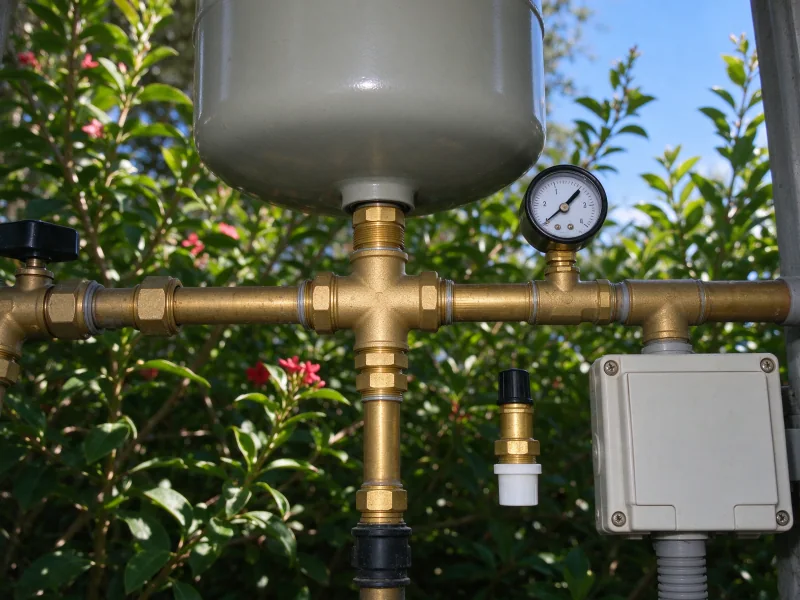
The pressure tank provides usable stored water between pump starts. Frequent cycling can indicate lost drawdown, but leaks and control faults also need consideration. Tank precharge evaluation requires the correct system condition and comparison with the actual operating setup. Reading the air valve while the tank remains under water pressure does not provide the same information as a properly prepared test.
Control observations include whether the pump starts and stops as expected and whether accessible equipment shows damage requiring further evaluation. Work inside electrical equipment belongs to appropriately qualified contractors. If a defect is established, pressure tank replacement or well pump control work should be scoped to that finding. Changing several settings without recording the original behavior can make the cause harder to understand.
Separate a pump check from a source-yield investigation
Pump performance and the well's available water supply interact, but they are different questions. A restricted intake, damaged pump or low pumping water level can produce overlapping symptoms. A yield investigation may require defined pumping conditions, water-level observations and recovery information beyond a basic equipment inspection. The method and duration should be agreed before anyone treats the result as a statement about the source.
Groundwater levels can fluctuate, including in Brevard County's surficial aquifer. That regional context does not identify the aquifer, depth or condition at your property. A test describes what occurred under its conditions, not a year-round guarantee. Read pump trouble versus low well yield when delivery fades during use. Installing a bigger pump does not establish that more source water is available. If water carries sand or silt, the sand and sediment guide explains how the screen, formation and pump position are separated.
Keep laboratory water testing in the right scope
Clear water and reliable pressure do not establish drinking-water safety. Florida Department of Health guidance for Brevard private well owners recommends annual coliform bacteria and nitrate testing, with lead testing every three years for most owners. Sampling arrangements, laboratory requirements and the purpose of a test should be confirmed separately from the mechanical inspection.
After flooding, a pump that runs again does not establish that the water is safe to drink. Disinfection and testing guidance applies after floodwater recedes. Our water testing after pump repair guide explains why mechanical completion and water-quality confirmation are separate steps. A buyer should also confirm the specific testing and documentation required by the transaction rather than assume a pump report satisfies every condition.
Higher power use needs a performance comparison
A higher electricity bill can justify checking the system, but it does not establish a worn-out pump. Compare water use, pump runtime and operating performance. A leak can keep the pump on longer, a changed control setting can change its stopping behavior, and reduced hydraulic delivery can require more running time for the same useful water. Electrical measurements and pressure-and-flow observations help separate those possibilities.
An efficiency evaluation needs the useful delivery as well as the energy input under stated conditions. A larger motor or a lower current reading alone does not establish better performance. Keep the findings with the equipment records and a well pump maintenance plan so later changes in cycling, delivery or runtime can be compared with a documented condition. Maintenance can track a developing concern; it cannot guarantee that concealed equipment will never fail.
Turn findings into a practical next decision
A useful result distinguishes an observed defect from an unresolved symptom. If a visible connection leaks, that can support a defined repair. If the pump cannot reach expected operating conditions, additional measurements may be needed before deciding whether the motor, pump or water supply is responsible. Limits on access and anything not tested should remain clear.
For aging or damaged equipment, the next discussion may be repair versus replacement. A recommendation should connect the proposed work to the finding and explain what is excluded. Inspection pricing likewise depends on access, testing and documentation scope. We do not use a single claimed Palm Bay average to cover a short equipment review, a detailed source investigation and water laboratory services as though they were interchangeable.
Prepare the information that makes the inspection useful
Tell us whether the well serves drinking water, irrigation or another use. Note known changes in pressure, cycling, sand, air or startup behavior and whether they depend on simultaneous demand. Leave unfamiliar valves and electrical settings as found. Accessible labels and existing records can be shared without opening covers or disturbing the wellhead.
For a purchase, share the deadline and the requested report scope before scheduling; service availability and transaction requirements need confirmation. Our private-well homebuyer guide can help organize those questions. Use the contact page to describe your system and the decision you need to make, so the proposed inspection addresses that decision directly.