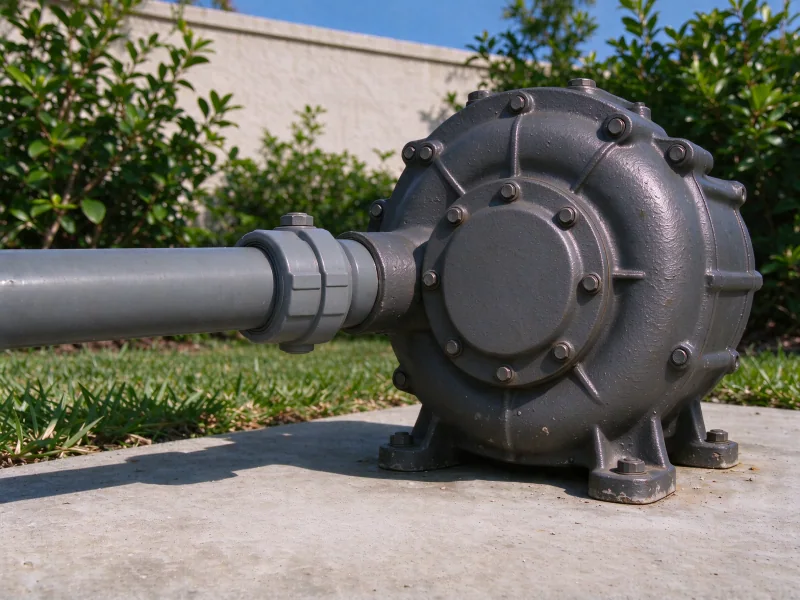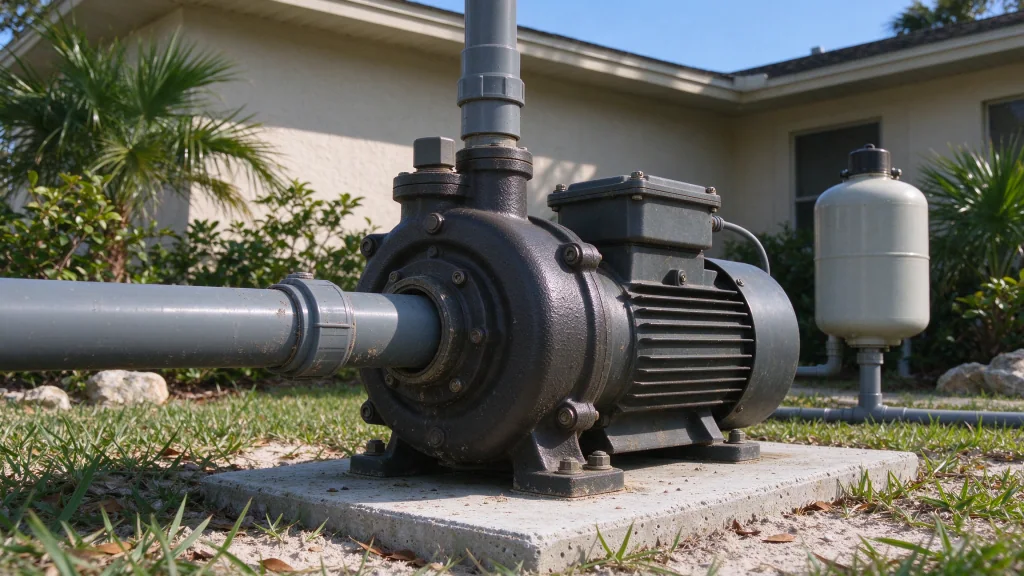
Start with the pump and the water it supplies
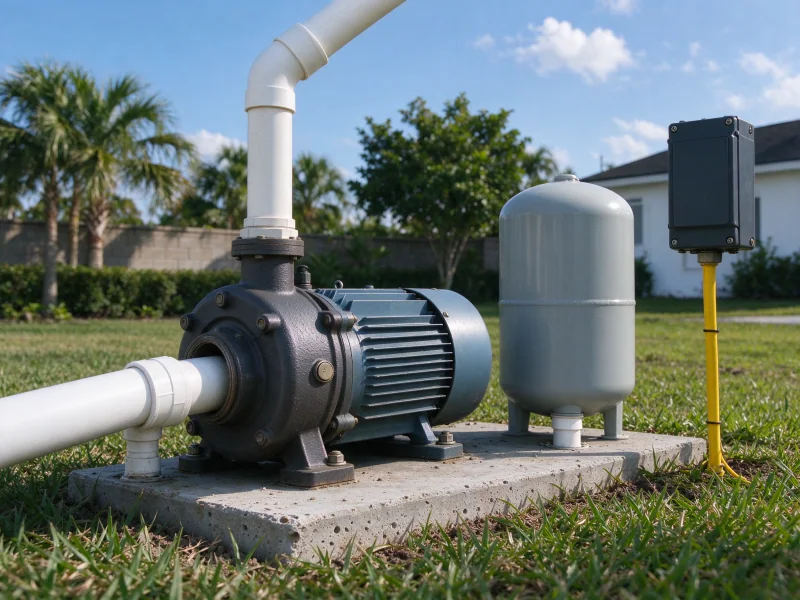
Coastal Palm Bay Well Pump Repair offers residential jet pump repair in Palm Bay, including aboveground equipment serving household water or an existing irrigation well. The first question is how the system is arranged. Some surface pumps serve a shallow suction arrangement; other jet systems use different piping and jet locations for deeper operating conditions. A nameplate and the visible piping provide useful clues, but the assessment needs to establish the actual setup before parts are selected.
Tell us whether the house has no water, the sprinklers have stopped, or the pump has begun running differently. Where the house receives public water and the well serves only the lawn, the two supplies need to remain separate in the discussion. Our irrigation-versus-household guide explains why the same word, pump, can describe equipment with very different consequences when it stops.
Why a small air leak can stop useful delivery
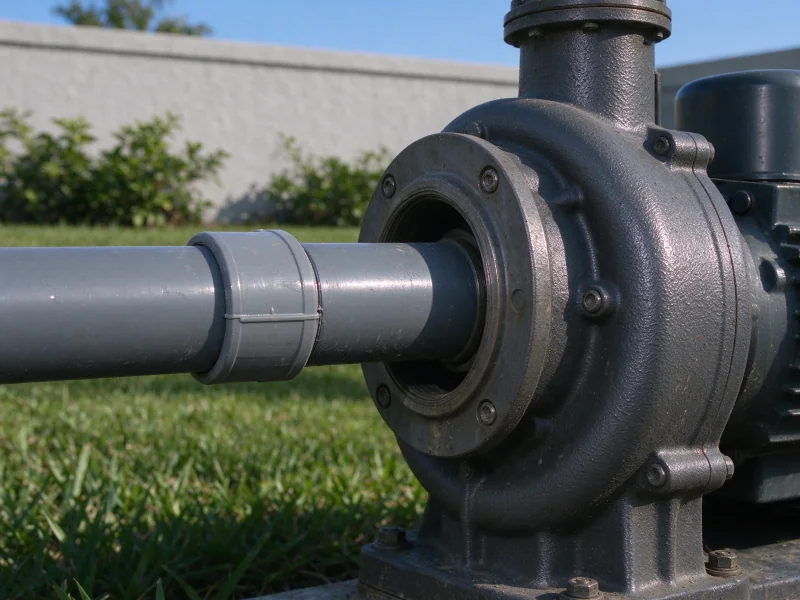
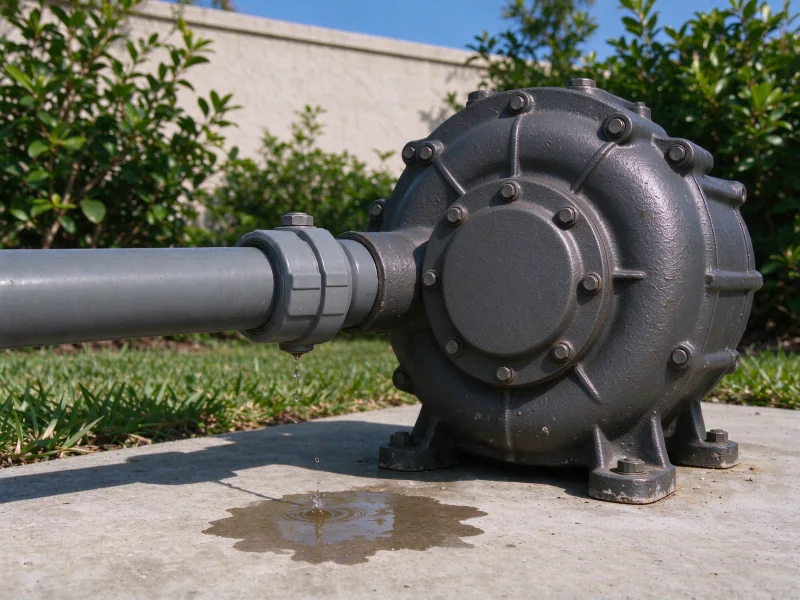
A jet pump depends on the condition of its pumping passages and suction arrangement. When air enters where the design requires a continuous water path, the pump can lose its ability to move water normally. A suction-side defect does not always leave a puddle. While the pump runs, a loose joint or damaged component may draw air inward instead of spraying water outward. That can make an otherwise small fault difficult to identify from appearance alone.
Repeatedly filling and restarting a pump can conceal the pattern without correcting it. If the system works briefly and fails again, the reason it loses prime needs attention. Our lost-prime guide follows that problem in more detail. Where findings identify air entry or drain-back in the suction path, suction leak repair addresses the affected connection or component rather than make a temporary restart the whole service.
Find out why water is not staying where it belongs
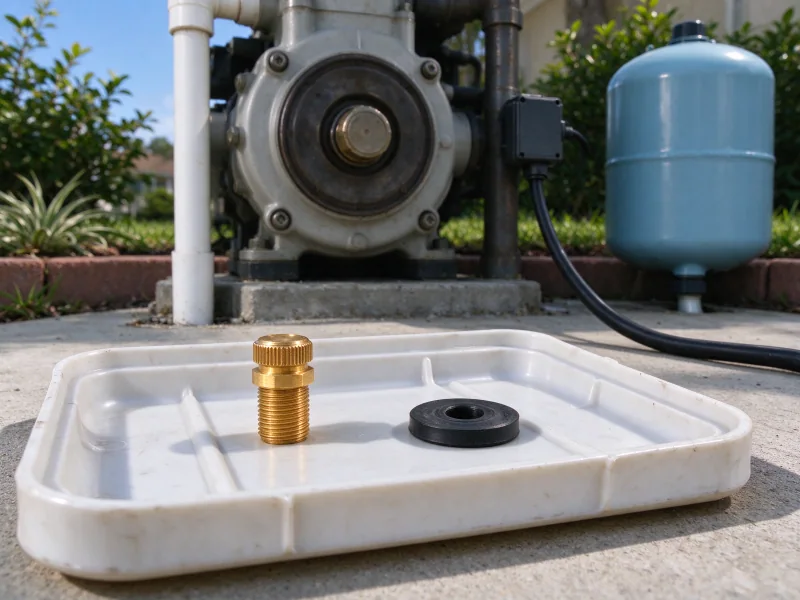
A valve that does not hold can allow water to move backward after the pump stops. Damaged suction pipe, a poor connection or a problem at the intake can affect the next start. The exact valve arrangement matters, so replacing a visible valve without understanding the rest of the piping may leave the original fault untouched. We compare the operating behavior with the installed equipment and the condition of the accessible suction path.
Useful information includes whether prime is lost only after an overnight rest, whether the pressure drops while no water is being used, and whether air appears at outlets. Those observations narrow the questions; none establishes a single failed part. The air-in-water guide separates several possible mechanisms. Do not loosen a suction fitting or open the pump while it is powered to try to demonstrate the problem.
A running motor is only one part of the test
A motor can turn while the system delivers little or no useful water. The pump may have lost prime, the inlet may be restricted, a pumping component may be damaged, or the source may not be supplying water under the operating conditions. The pressure gauge and actual delivery need to be considered alongside the sound of the motor. A loud or hot pump should not be left running indefinitely in the hope that it will recover.
For no-water diagnosis, we work through the equipment response and identify whether the issue appears to be electrical, hydraulic or source-related. If the motor hums but does not start, that is a different branch from normal rotation without delivery. The humming-pump guide explains why supply conditions, starting components and the motor need to be distinguished before deciding what to replace.
The water level matters more than a general depth label
A surface pumping arrangement has to suit the vertical distance to water under operating conditions, not simply the completed depth of the well. Water levels can change while the pump is running. If performance falls as the source is drawn down, fitting a larger motor may not solve the problem. The pump’s type, jet arrangement, piping and required delivery need to be considered together.
We do not assume that every Palm Bay well has the same depth or pumping water level. Existing well records and appropriate flow or level checks may be needed where the symptoms suggest source limitations. The pump-versus-low-yield comparison explains how a supply problem can resemble failing equipment. The broader jet-versus-submersible guide compares arrangements without treating a conversion as the automatic answer.
Short cycling can come from outside the pump housing
A jet pump serving a pressure-tank system should not have to start for every small draw of water when the storage and controls are working as intended. A tank with too little usable storage can make the pump start and stop rapidly. A leak or a control problem can produce related symptoms. Changing the pump without checking that pressure system can leave the new unit operating under the same unnecessary cycling.
If repeated starts are the main complaint, pressure tank replacement is considered only after the relevant tank condition is established. Pressure switch and control repair addresses a different group of faults. We consider gauge behavior, tank response and the pump’s ability to meet the selected operating conditions instead of judging a pressure system from its tank size or switch label alone.
Repair the cause rather than replace by guesswork
A limited repair may be sensible when the fault is isolated to an accessible seal, connection, valve, control or replaceable component and the remaining equipment is suitable. A damaged pumping assembly or confirmed motor fault may make replacement a better choice. Condition, compatibility and the cost of returning the system to useful service all influence that decision. The recommendation should explain the finding in ordinary language.
If well pump replacement is proposed, the selected pump must fit the source and the required flow and pressure. A different horsepower number is not a repair plan by itself. We identify which connected parts remain, which need replacement and whether any change to the arrangement is necessary. Use the repair-or-replace guide to compare those choices before treating two different equipment packages as equivalent.
What we need to establish before pricing the work
An assessment starts with the symptom, the supply being served and the equipment already present. Accessible checks may include gauge response, visible pipe condition, the control arrangement and the pump’s operating behavior. Electrical tests belong with the responsible contractor. If the suction path is buried or the well’s performance is uncertain, further investigation may be required before a complete repair scope can be defined.
The price changes with access, the failed component, the condition of connected piping and whether the task is repair, pump-only replacement or a broader equipment change. Our well pump cost guide explains those differences. We do not apply one assumed price to every surface pump or describe an irrigation-only fault as a domestic-well replacement. Written inclusions help show what the estimate actually buys.
Check the result in the system that uses the water
The agreed repair needs to be assessed by how the system starts, delivers water, reaches its intended operating conditions and stops. Restoring prime briefly is not enough when the original complaint was repeated overnight failure. Tank and control behavior also matter where those components are part of the arrangement. We manage the work through appropriately licensed and insured contractors for the relevant scope.
For a domestic well, clear water after a mechanical repair does not establish that it is safe to drink. Opening the system or a flood event may raise disinfection and sampling questions. The water-testing guide separates those requirements from pump operation. When you request an estimate, describe whether the equipment is hot, wet, unusually noisy or affected by a recent power interruption, and leave electrical covers and well seals closed.